FREE Sketch Pitcher Icon: A Designer’s Practical Take
As an experienced embroidery designer and product reviewer, I often find myself evaluating free designs for their real-world usability. The FREE Sketch Pitcher Icon caught my attention not just because it's free, but because of its clean black-and-white aesthetic and versatility across file formats. Let me walk you through how this design fits into various embroidery projects and what to consider before using it in your craft business or personal creations.
First Impressions and Visual Personality
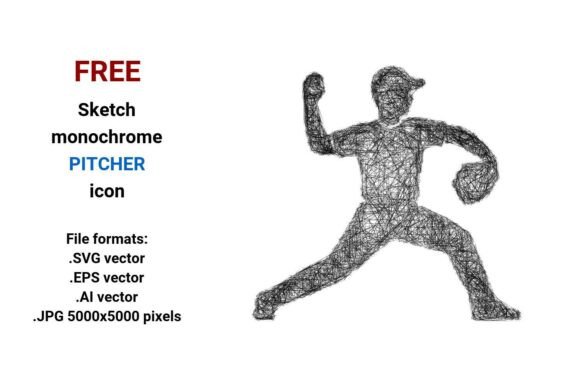
The moment I opened the FREE Sketch Pitcher Icon, I was struck by its simplicity and charm. It features a baseball pitcher in motion, captured in a sketch style that gives it a hand-drawn, artistic flair. The lack of color makes it surprisingly adaptable — it doesn’t shout for attention but instead invites subtle storytelling. This is the kind of icon that works well as a standalone motif or as part of a larger theme, especially in designs where minimalism and clarity are key.
Visually, it has a balanced layout with smooth lines and defined contours. The pitcher is centered, making it easy to place on any garment or surface. The detail level is moderate; enough to show motion and form without overwhelming the viewer. This makes it suitable for both casual and more professional-looking items like custom sweatshirts or boutique branding materials.
Projects That Benefit from This Design
I see this design fitting naturally into several categories:
- Sweatshirt embroidery – The pitcher looks great when placed on the chest area or back of a hoodie. Its size and clarity make it ideal for mid-sized embroidery projects.
- Tote bag design – Whether used as a central logo or paired with other baseball-themed elements, the pitcher adds character without being too loud.
- Embroidered patch – For those who want to create patches for caps or jackets, the sketch-style lends itself well to embroidered accents.
- Baby clothes – Though it's not overtly sweet or pastel, the pitcher could work in a sports-themed nursery or baby gift set, especially if paired with softer typography or borders.
- Holiday gifts – Think personalized pillows or aprons with a baseball twist. The pitcher feels festive yet timeless.
- Craft fair products – Handmade shop owners can use it on tea towels, pillow covers, or even mugs for a quick, recognizable design.
Real-World Performance in Embroidery Projects
When testing this design on a few mock-ups, I found it performed reasonably well across different surfaces and fabric types. Here’s how it stands up in practice:
On a cotton sweatshirt, the pitcher stitched cleanly with good definition, especially when using a light thread color against a dark background. On a tote bag made of canvas, the details held up, though I had to adjust stitch density slightly to avoid puckering. The JPG format at 5000x5000 pixels provided excellent preview quality, which is helpful when creating digital product listings or printable mockups for Etsy sellers.
What impressed me most was how it maintained its visual identity after stitching. The bold lines translated well into satin stitch outlines, while the fill areas remained consistent without unnecessary stitch coverage. This means it doesn’t eat up fabric or thread unnecessarily — a big plus for cost-conscious small shop owners and hobbyists working on handmade products.
Where to Use With Caution
While the FREE Sketch Pitcher Icon is versatile, there are a few situations where it may require extra attention:
- Small hoop sizes: If you're planning to embroider it on a tiny patch or cap, some fine lines might get lost. You’ll need to scale it down carefully and possibly simplify the design before stitching.
- Stretchy or thin fabrics: The pitcher’s structure relies on clear lines and shapes. Stretchy materials like jersey knits can distort the image if not stabilized properly.
- Dark fabric backgrounds: While the sketch is high contrast, always test thread colors first. White or cream threads will pop best on darker bases.
- Curved surfaces: Placing it on a curved item like a cap or sleeve may cause warping unless you account for the shape during placement and stabilizing.
- Detailed corners and edges: Some of the pitcher’s limbs have tight angles that could benefit from a running stitch or outline stitch to keep them crisp.
If you're using it in commercial embroidery or selling finished goods, these factors become even more important. Always do a trial run on scrap fabric before going full-scale to ensure the final product looks polished and professional.
Impact on Product Value and Branding
Though it’s a freebie, the FREE Sketch Pitcher Icon brings unexpected value. When applied to a custom apparel project or a personalized gift, it elevates the perceived quality of the piece. Customers respond positively to clear, well-executed designs — even if they’re simple. This pitcher has a strong visual personality that can stand alone or support a broader theme, making it a solid choice for brand consistency in a sports-themed line.
For Etsy sellers or creative entrepreneurs, this design can help increase buyer engagement. It’s unique enough to stand out among generic clipart but simple enough to be easily recognized. Used in a printable mockup or digital embroidery file listing, it helps potential buyers visualize how the design will look on their chosen product.
One thing to note is that since it’s a black-and-white sketch, you'll need to decide whether to add color manually via fabric dye, paint, or layered embroidery techniques. But in many cases, especially for vintage or minimalist aesthetics, the monochrome version works beautifully on its own.
Design Notes for Maximum Results
Here are a few practical tips to ensure you get the best results from the FREE Sketch Pitcher Icon:
- Test on scrap fabric – Before committing to a large batch or client order, stitch it on a sample piece to check for issues with fabric texture or stitch tension.
- Check thread color contrast – Especially if you plan to use it on darker materials. Consider white or off-white threads for better visibility.
- Review stitch density – Adjust based on the fabric you're using. Thicker textiles may require more stabilizer, while lighter ones might need less dense fill stitches.
- Confirm hoop size – Depending on your machine, ensure the design fits within the recommended hoop dimensions. Scaling should be done cautiously to maintain proportions.
- Inspect small details – Look closely at the pitcher’s facial expression and limb positions. These subtleties can impact the overall feel of the finished product.
- Use proper stabilizer – Especially for stretchy or textured fabrics. Tear-away or cut-away options can prevent distortion and improve stitch quality.
- Test it in black and white mockups – Since the design is grayscale, make sure it looks good on both light and dark backgrounds before finalizing production.
- Check licensing terms – Even though it’s labeled as free, confirm whether it allows for commercial use if you plan to sell finished items or include it in digital product kits.
Final Thoughts for Makers and Merchants
Freebies can sometimes fall short when put to real-world use, but the FREE Sketch Pitcher Icon is one of those rare exceptions. It’s not flashy, but it’s functional. As a graphics resource, it offers four useful file formats that cater to both traditional and digital embroidery workflows. Whether you're an apparel decorator, a small business owner, or a hobbyist looking to personalize a gift, this design has the potential to enhance your product lineup without demanding excessive resources.
That said, don’t take it for granted. Treat it like any premium design — test it thoroughly, adjust for fabric type and thread choices, and consider the context in which it will appear. Done right, it can become a signature element in your collection of design assets, adding a touch of sporty elegance to everything from holiday embroidery to boutique branding items.
In the end, the FREE Sketch Pitcher Icon is more than just a graphic. It’s a tool that, when used thoughtfully, can bring a sense of professionalism and charm to your embroidery projects. Just remember to treat it with the same care and consideration you would give a paid design — and it will reward you with consistent, quality results.